

How California Wildfire Smoke Affects Las Vegas Allergies and Asthma
California wildfire smoke drifts into Las Vegas every summer. Learn how it affects allergies and asthma, and what to do at home to protect your breathing.
Wildfire seasons in California have grown longer, more intense, and more disruptive over the past several years, and their smoke plumes routinely drift east into the Las Vegas valley. For patients with allergies, asthma, or chronic sinus conditions, a smoke event can turn a normal week into a chain of flare ups. Understanding how wildfire smoke affects the airways, who is most vulnerable, and what to do when the air turns hazy can help you protect your breathing when the plumes arrive. This guide draws on the same clinical principles we apply every day at Tottori Allergy and Asthma Associates.
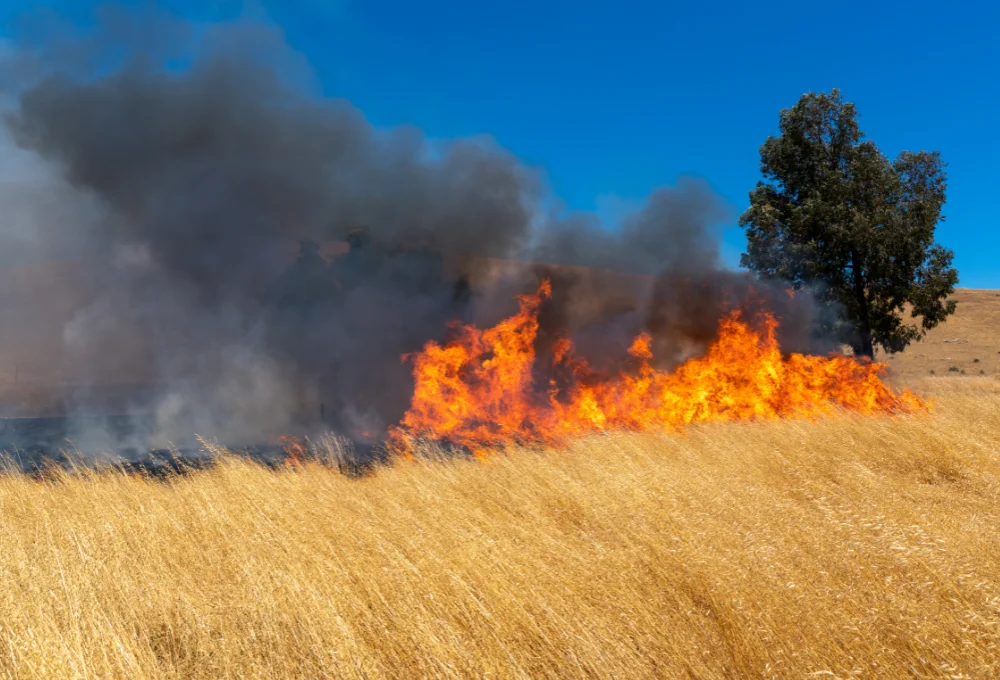
Why California Smoke Reaches Las Vegas
Prevailing summer winds often push wildfire smoke from Northern and Central California fires east across Nevada. When a large fire is burning in the Sierra Nevada, Yosemite region, or coastal ranges, Las Vegas air quality can degrade noticeably within a day or two even though the flames are hundreds of miles away. High altitude winds carry the smoke long distances, and it can linger for days when regional weather patterns stall.
What Is In Wildfire Smoke and Why It Matters
Wildfire smoke is a complex mix of tiny particles and gases. The most concerning component for allergy and asthma sufferers is fine particulate matter, known as PM2.5. These particles are small enough to travel deep into the lungs, where they cause irritation, inflammation, and increased mucus production. Wildfire smoke also contains carbon monoxide, nitrogen oxides, volatile organic compounds, and traces of heavy metals depending on what materials burned. For patients with allergic rhinitis or asthma, the combination of particle irritation on top of existing airway inflammation can produce symptoms that feel much worse than either exposure alone.
Our post on how air quality affects your allergies year round covers the general Southern Nevada air quality picture, and air quality in Las Vegas allergies and asthma explores the year round contributors including dust, ozone, and pollen. Wildfire smoke stacks on top of all of these.
Health Effects for Allergy and Asthma Sufferers
Common symptoms during a wildfire smoke event include:
- Increased coughing and throat irritation
- Worsening congestion, sneezing, and postnasal drip
- Chest tightness and shortness of breath
- Reduced tolerance for exercise or even ordinary activity
- More frequent use of rescue inhalers
- Sinus pressure and headaches
- Fatigue and disrupted sleep
Symptoms can begin within hours of smoke arrival and may persist for days after the visible haze clears, because inflammation in the airways lingers longer than the exposure itself.
Protecting Yourself When You Must Go Outside
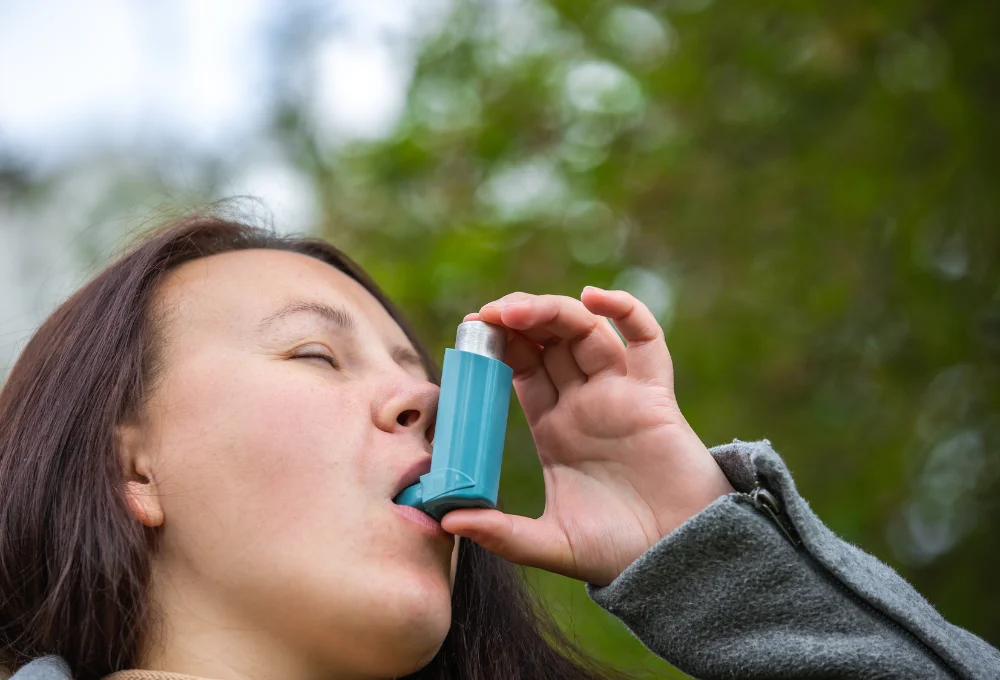
Some outdoor time is unavoidable during a smoke event. If you must be outside for work, school pickup, or exercise, a well-fitted N95 or KN95 mask filters most of the harmful particles when worn properly. Cloth masks and surgical masks do not filter PM2.5 effectively. Keep exposure time short and skip strenuous activity outdoors when the AQI reads above 150. Check the local Air Quality Index before planning outdoor time and reassess mid-day, since smoke conditions can shift quickly with wind patterns.
Children and older adults benefit most from strict indoor time during heavy smoke events. Patients on maintenance asthma controller medications should not skip doses during smoke season, since consistent control is what determines how well the airways handle the extra irritation. If you have never been on a controller medication and you feel worse each summer, an evaluation before the next smoke event is worth the visit.
Understanding how hidden indoor allergies can compound smoke exposure is also useful, since a home already loaded with dust mite or pet allergens gives the airways less margin when outdoor conditions turn bad.


