Allergy symptoms can feel unpredictable. One year, reactions may be mild. Later, congestion becomes constant, or symptoms appear in new situations. These changes can happen even when your routine stays the same. The reason lies in how the immune system adapts over time.
Allergies are not fixed conditions. Your body responds to repeated exposure, environmental shifts, and internal changes. As a result, symptoms may increase, decrease, or show up in unexpected ways. When this happens, care based on older test results no longer reflects what your body is reacting to now.
Understanding why symptoms change helps you recognize when a new evaluation becomes necessary.
How the Immune System Evolves
The immune system adjusts as it encounters allergens again and again. Some people develop stronger reactions after years of exposure. Others lose tolerance to allergens that once caused no issues. These shifts are part of how the body protects itself.
Several factors influence this process:
- Repeated contact with allergens at home or work.
- Natural changes in immune response with age.
- Stress, illness, or medication.
- New environmental triggers
As these changes occur, breathing patterns may shift. Subtle airflow changes are evaluated through pulmonary function testing.
Environmental Changes That Influence Allergy Patterns
Your surroundings play a major role in how symptoms evolve. Even small changes can alter exposure levels and trigger new reactions.
Living and Working in New Spaces
Moving to a different home, remodeling, or spending time in a new workplace introduces unfamiliar allergens. Dust or airborne irritants can trigger new symptoms. When reactions begin after an environmental change, addressing concerns during your visit helps clarify their cause.
Seasonal Symptoms That No Longer Follow a Pattern
Some people notice that allergy symptoms last longer than before or appear outside their usual season. This often signals increased sensitivity. In these cases, immunotherapy allergy shots may be considered to help with immune responses.
Indoor Triggers
Spending more time indoors can increase reactions to cleaning products, fragrances, or building materials. When symptoms feel unrelated to outdoor conditions, patch chemical testing may identify overlooked sensitivities.
Signs That Retesting May Be Necessary
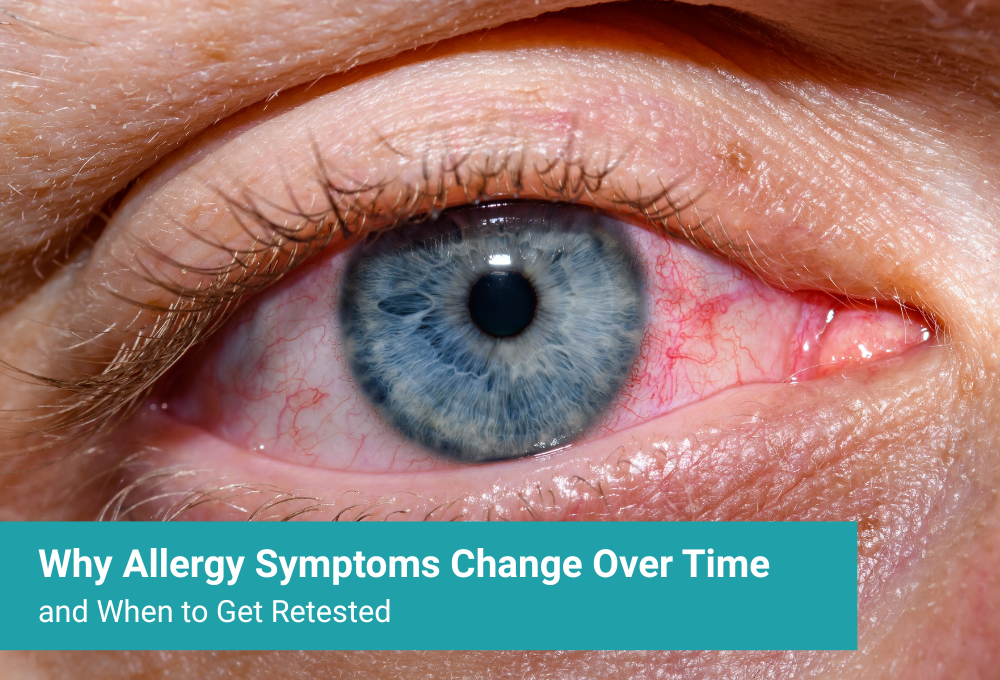
Allergy retesting is often recommended when symptoms no longer match previous patterns. Signs include:
- More frequent or intense reactions.
- New symptoms without a clear cause.
- Reduced effectiveness of medications.
- Sleep disruption or daily discomfort.
- Several years have passed since the last evaluation.
Retesting helps update treatment plans. Many patients explore diagnostic options through our services, review symptom guidance in our resources, or work closely with our providers to decide when retesting makes sense.
Managing Allergy Symptoms
When symptoms change, updated testing supports better long-term care.
If allergy symptoms no longer feel familiar or manageable, scheduling an appointment allows for reassessment and an updated treatment plan.