Starting immunotherapy raises immediate questions. When will relief begin? The answer depends on individual immune response patterns. Some people notice improvements within months. Others require a full year before experiencing significant symptom reduction.
Allergy shots take time to work because they retrain the immune system. The body needs time to build tolerance to allergens through carefully controlled exposure. Expecting overnight results leads to frustration and premature discontinuation of treatment.
Understanding the progressive nature of immunotherapy helps maintain commitment to the treatment timeline.
TheTimeline of Immunotherapy Treatment
Immunotherapy works in distinct phases. Each stage serves a specific purpose in developing allergen tolerance. The immune system adapts slowly, requiring consistent exposure over extended periods.
Treatment unfolds through several stages:
- Build-up phase lasting three to six months with increasing allergen doses.
- Initial response appears around four to six months after starting treatment.
- Noticeable improvement typically emerges between six and twelve months.
- Maximum effectiveness is usually reached after twelve to eighteen months.
- The maintenance phase continues for three to five years to sustain results.
Treatment progress is often monitored alongside other assessments through pulmonary function testing. The timeline for allergy shots is related to the conditions we treat
Factors Affecting Response Speed
Many variables influence when patients experience relief. Individual differences create varied timelines
Individual Immune System Variation
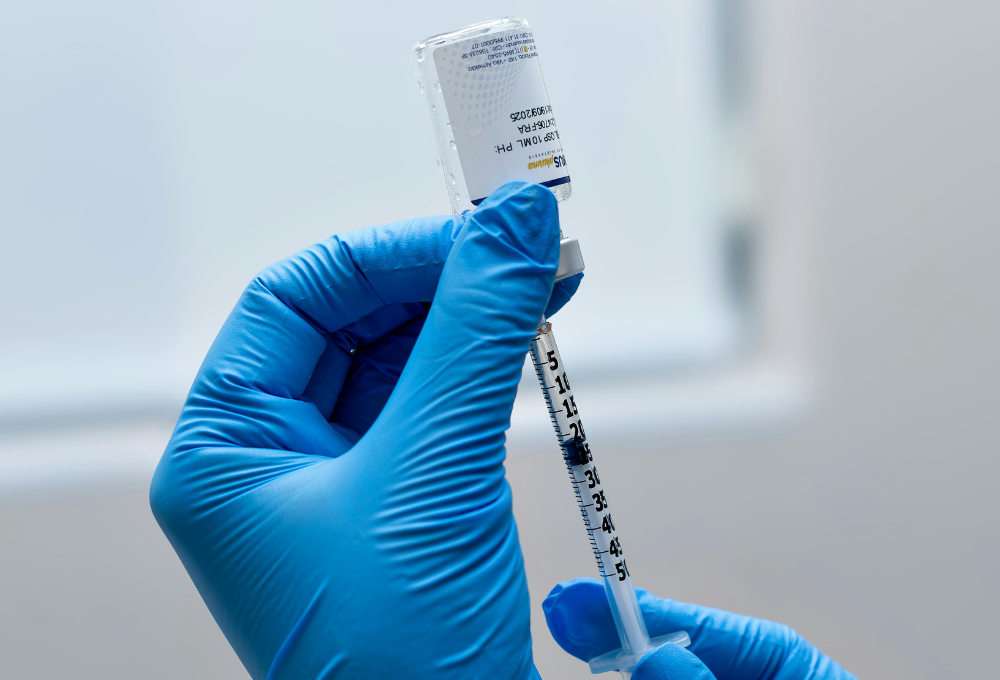
Every immune system responds differently to immunotherapy. Some require extended exposure before showing measurable changes. Genetic factors, overall health status, and immune system reactivity all affect timing. Discussing expectations during your visit establishes realistic goals based on your personal health
Allergen Severity and Number
Severe allergies take longer to modify than mild sensitivities. The immune system may need more time to process complex combinations of allergens. Patients with many allergies should expect longer timelines for allergy shots to take effect. Learn more about immunotherapy allergy shots.
Adherence to Treatment Schedule
Missed appointments can delay progress significantly. Inconsistent dosing interrupts immune system training. The body loses the momentum built through previous injections. Maintaining a schedule ensures allergy shots take effect within expected timeframes. Regular attendance prevents setbacks.
Milestones That Signal Progress
Key progress markers include:
- Decreased medication
- Reduced symptom intensity
- Longer periods between symptom flare-ups.
- Improved sleep quality despite seasonal allergens
- Greater tolerance for outdoor activities during peak pollen times.
Seeing these improvements is evidence that treatment is progressing. Exploring additional support through our services or consulting with our providers can help!
Managing Expectations for Immunotherapy
When beginning immunotherapy, understanding realistic timelines prevents disappointment and supports treatment completion. At Tottori Allergy & Asthma Associates, patients receive clear guidance about when to expect improvements based on their allergen profile. Learning what an allergist does includes understanding how specialists monitor progress throughout the immunotherapy journey.
If you have questionsabout the treatment timeline or if progress seems slower than expected, schedule an appointment.