

Contact Dermatitis and Patch Testing in Green Valley, NV
Find the hidden cause of your recurring rash with expert patch testing.
Contact dermatitis is one of the most frustrating skin conditions because the trigger is hiding in plain sight, often in a product you use every day. If a rash keeps returning to the same spot on your hands, neck, or face, patch testing may be the only reliable way to identify what your skin is reacting to. Tottori Allergy and Asthma Associates has been serving Green Valley and the wider Las Vegas area since 1992, and our East office on Charleston Boulevard is a short drive up the 215 for most Green Valley residents.
Dr. David H. Tottori is board certified in Allergy and Immunology, and the practice has decades of experience running detailed patch testing panels that go beyond the basics. Whether you suspect a new lotion, a metal in your jewelry, or an ingredient at work, we can help you find the answer. Call the East office at 702.432.8250 or request an appointment online to schedule your evaluation.
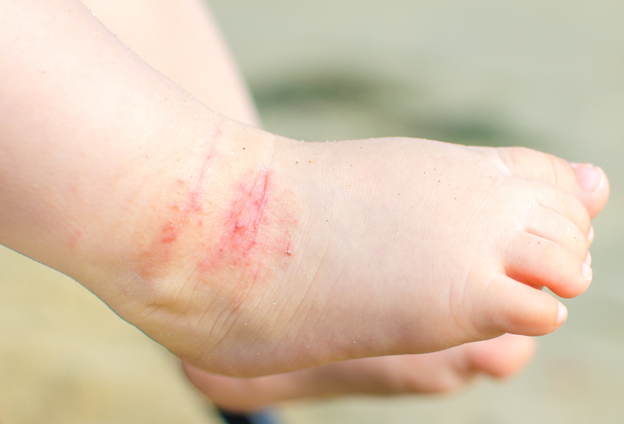
How Contact Dermatitis Develops
Contact dermatitis happens when your skin touches a substance that either irritates it directly or triggers an immune response. The two main types are irritant contact dermatitis, which is caused by direct damage from strong chemicals like industrial cleaners, and allergic contact dermatitis, which is a delayed hypersensitivity reaction. Allergic contact dermatitis is what patch testing is designed to identify.
The immune response is delayed, which is why the reaction can appear one to three days after exposure. That timing makes it hard to link the rash back to a specific product on your own. Common culprits in the Las Vegas area include nickel in jewelry and belt buckles, fragrance ingredients in soaps and detergents, preservatives in cosmetics like methylisothiazolinone, hair dye components like paraphenylenediamine, and rubber accelerators in gloves and shoes.
Occupational exposures matter too. Healthcare workers, hairdressers, mechanics, and construction workers across Green Valley regularly develop contact dermatitis from chemicals they handle. The North American Contact Dermatitis Group and the American Contact Dermatitis Society publish standardized patch test series, and Tottori Allergy uses these panels to test for the most common relevant allergens.
Services Related to Contact Dermatitis
Testing for contact dermatitis often connects to several other services depending on your full symptom picture:
- Patch chemical testing is the gold standard evaluation for allergic contact dermatitis, using panels that cover metals, preservatives, fragrances, rubber additives, and topical medications.
- Allergy skin testing evaluates immediate allergic reactions to environmental allergens if your rash also has an itchy hive-like component.
- Review of related conditions we treat helps distinguish contact dermatitis from eczema, hives, or systemic allergic reactions.
- A consultation with our providers can guide you toward the right testing pathway, since not every rash needs a full patch panel.
Signs You Need Patch Testing
Consider patch testing when your symptoms match any of the following:
- A rash keeps returning to the same body area, especially where jewelry, clothing, or products touch the skin
- Skin symptoms started after switching brands of skincare, cosmetics, or detergent
- Hand dermatitis interferes with your work or hobbies
- A dermatologist has suggested you may have an allergic component
- Steroid creams help temporarily but the rash keeps coming back
- You suspect a workplace chemical exposure but need documentation
Why Choose Tottori Allergy for Patch Testing
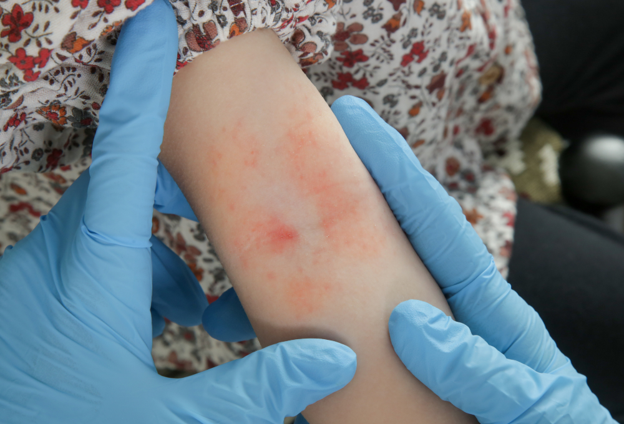
Patch testing is one of those services where experience shows up clearly. Applying the correct panels, reading them at both the 48 hour and 96 hour timepoints, and correctly interpreting weak versus strong reactions all require an allergist who does this work often. Tottori Allergy has been running patch testing services in Las Vegas since 1992, giving Green Valley patients access to a practice with a long track record in chemical and cosmetic allergy evaluation.
The East office on Charleston is convenient for Green Valley residents driving up the 215 or the 515, and appointment logistics are designed around the multi-visit patch testing schedule. Multilingual staff support in Spanish, Tagalog, and Mandarin, plus flexible hours across two offices, help patients complete the full testing series without disrupting work or family schedules.


