Training in Nevada’s desert climate brings unique challenges for athletes. Dry air, high temperatures, and constant dust exposure can make allergy symptoms worse. Many athletes push through congestion, coughing, or breathing discomfort without realizing that allergies may be holding them back. These symptoms often impact performance, endurance, and recovery.
Outdoor workouts expose athletes to pollen, dust, and pollution. Indoor training areas can also trap allergens that irritate the nose and lungs. Without proper testing, it is difficult to know which triggers are causing discomfort. Identifying these allergens helps athletes manage symptoms and stay active throughout the year.
Allergy testing gives athletes clear answers and targeted solutions. With the right care, you can train stronger and breathe easier, even in the desert heat.
Common Allergens That Impact Athletes
Athletes breathe deeper and faster during exercise, which increases exposure to irritants. Nevada’s climate adds more challenges, since dust and pollen remain in the air for long periods.
Common triggers include:
- Dust and sand from dry fields and trails.
- Pollen from grasses, trees, and desert weeds.
- Ozone and pollution from heat and traffic.
- Chlorine exposure in indoor pools.
- Dust and cleaning chemicals in indoor gyms.
Knowing these triggers helps protect your breathing. Learn more about the conditions we treat and explore pulmonary function testing if exercise symptoms affect your performance.
How Allergies Affect Athletic Performance
Allergies do more than cause sneezing. They can limit airflow, reduce stamina, and affect your focus during training.
Breathing Limitations During Exercise
Inflamed airways make it harder for athletes to take full breaths. This leads to coughing, chest tightness, or reduced endurance. If these symptoms persist, plan your visit for evaluation.
Fatigue, Sinus Pressure, and Reduced Endurance
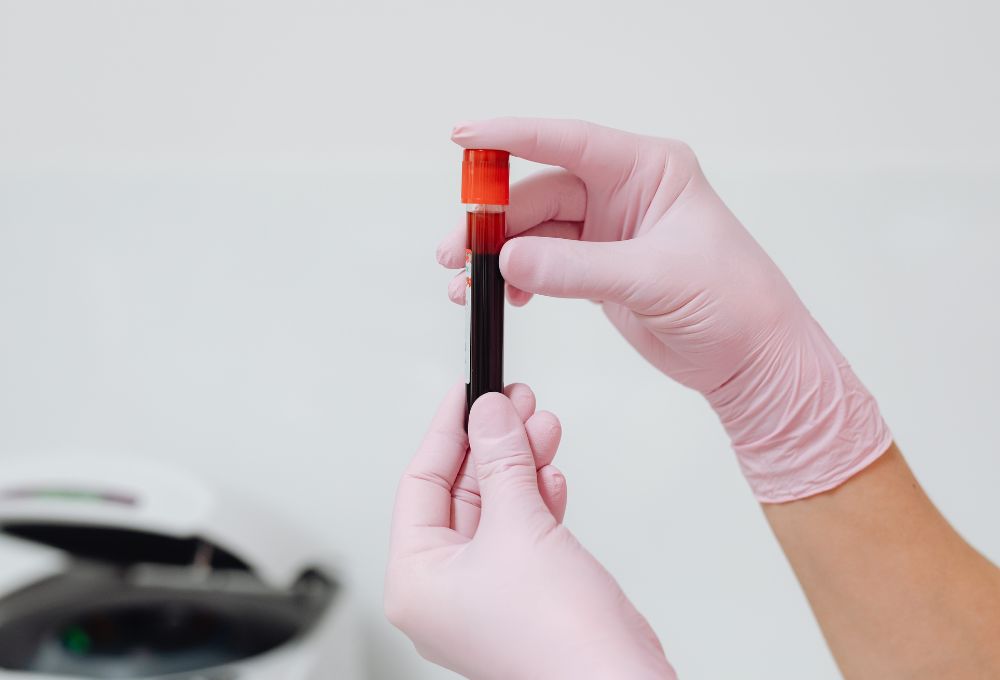
Chronic congestion and sinus pressure can drain energy and slow recovery. Treatments may help reduce long-term inflammation.
Hidden Allergy Triggers for Athletes
Gyms, locker rooms, and turf fields can hold mold, dust, and chemicals. Sweat can mix with allergens and worsen reactions. If symptoms are unpredictable, allergy testing can help identify hidden irritants.
Understanding these effects helps athletes recognize when allergies may be limiting their performance.
How Allergy Testing Helps Athletes Stay Active
Testing gives athletes reliable answers and supports long-term breathing health.
Benefits include:
- Identifying specific indoor and outdoor triggers.
- Guiding treatment plans for peak training seasons.
- Reducing exercise-induced flare-ups.
- Improving lung function and stamina.
- Enhancing focus and recovery.
Explore our services and resources or meet our providers for personalized care.
Expert Allergy Care for Athletes in Southern Nevada
If allergies interfere with your workouts or competitions, professional care can help. Testing identifies the cause of your symptoms and guides targeted treatment. Our team at Tottori Allergy & Asthma Associates helps athletes breathe better and perform at their best. Learn more about what an allergist does to understand your options.
Schedule your appointment today to maintain strong respiratory health, and breathe easier in the desert heat.